 By admin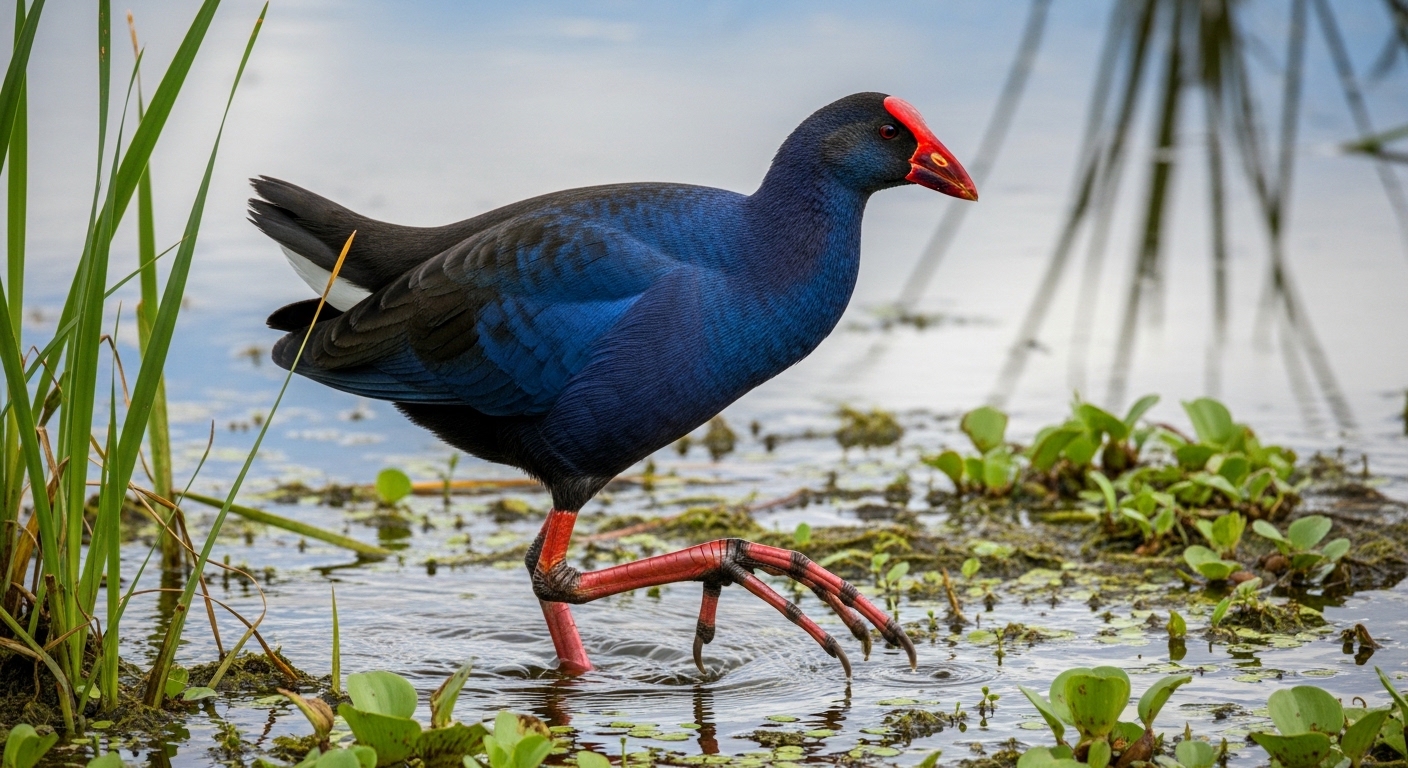
The pukeko bird is one of the most visually striking and behaviorally interesting birds found in wetland environments. Known for its deep blue feathers, bright red beak, and long legs, this bird captures attention wherever it is seen. Native to regions with abundant water and vegetation, the pukeko bird thrives in marshes, lakesides, and grassy areas. Its social nature, adaptability, and distinctive appearance make it a subject of interest for bird watchers and nature enthusiasts alike. Understanding this remarkable bird offers insight into how wildlife adapts and survives in changing natural environments.
Physical Characteristics of the Pukeko Bird
The pukeko bird is easily recognized due to its bold and colorful appearance. It features a deep blue or purplish body, contrasted by a bright red beak and frontal shield. Its long legs and large feet are ideal for walking on soft, marshy ground and even climbing through dense vegetation. The bird’s eyes are often dark and alert, giving it a sharp and curious expression. Juvenile pukeko birds tend to have duller colors compared to adults, gradually developing their vibrant plumage over time. These physical traits not only make the pukeko bird unique but also highly adapted to its wetland habitat.
Natural Habitat and Distribution
The pukeko bird is commonly found in wetland regions, including marshes, swamps, lakesides, and grassy fields near water bodies. It prefers areas with dense vegetation, which provide both food and protection from predators. This bird is widely distributed across New Zealand and can also be found in parts of Australia and nearby islands. Its ability to adapt to different environments has allowed it to thrive in both natural and human-modified landscapes. The pukeko bird often ventures into farmland and suburban areas, demonstrating its flexibility in habitat selection while still relying on water sources for survival.
Diet and Feeding Behavior
The pukeko bird has an omnivorous diet, which plays a key role in its adaptability. It feeds on a variety of plant materials, including grasses, seeds, and shoots, as well as insects, small animals, and eggs. This bird uses its strong beak to dig and forage for food in the soil or among vegetation. Its long toes help it balance while searching for food in muddy or uneven terrain. The pukeko bird is also known for its opportunistic feeding habits, sometimes scavenging or stealing food from other birds. This diverse diet allows it to survive in different environments with varying food availability.
Social Structure and Group Behavior
One of the most interesting aspects of the pukeko bird is its social behavior. These birds often live in groups, sometimes forming large family units that work together for survival. Within these groups, there is usually a dominant breeding pair, while other members help in raising the young. This cooperative behavior increases the chances of survival for chicks and strengthens group bonds. The pukeko bird communicates through a variety of calls and body movements, which help maintain social order. Their group dynamics are a clear example of how cooperation can benefit species in challenging environments.
Breeding and Nesting Habits
The breeding habits of the pukeko bird are unique and complex. During the breeding season, which typically occurs in warmer months, the dominant pair builds a nest in dense vegetation close to water. The nest is usually constructed from grasses and reeds, providing a safe place for eggs. Interestingly, multiple females may lay eggs in the same nest, and all group members may participate in incubation and chick rearing. The young birds are cared for collectively, ensuring they receive enough food and protection. This shared responsibility is a defining feature of the pukeko bird’s reproductive strategy.
Adaptations for Survival
The pukeko bird has developed several adaptations that allow it to thrive in wetland environments. Its long legs and large feet are perfect for walking on soft ground and navigating through waterlogged areas. The bird’s strong beak enables it to access a wide range of food sources, while its keen eyesight helps detect predators and locate food. Its social structure also plays a role in survival, as group living provides protection and support. These adaptations make the pukeko bird a resilient species capable of adjusting to environmental changes and challenges.
Role in the Ecosystem
The pukeko bird plays an important role in maintaining the balance of its ecosystem. As both a herbivore and predator, it helps control insect populations and contributes to seed dispersal. By feeding on various plants and animals, it supports the health of wetland ecosystems. Its nesting and foraging activities also influence vegetation patterns, creating a dynamic environment for other species. The presence of the pukeko bird is often an indicator of a healthy wetland system, highlighting its ecological significance and the importance of conserving its natural habitat.
Interaction with Humans
The pukeko bird has a noticeable presence in areas where humans and nature intersect. It is often seen in farmland, parks, and suburban gardens, where it may feed on crops or grass. While some farmers view it as a pest due to its feeding habits, others appreciate its beauty and ecological role. The bird’s adaptability allows it to coexist with human activity, although habitat destruction remains a concern. Efforts to protect wetlands and natural spaces are essential to ensure the continued survival of the pukeko bird and other species that depend on these environments.
Conservation and Future Outlook
Although the pukeko bird is not currently considered endangered, its future depends on the preservation of wetland habitats. Urban development, pollution, and climate change pose threats to these ecosystems. Conservation efforts aimed at protecting wetlands can help maintain stable populations of the pukeko bird. Public awareness and responsible land use are also important in supporting its survival. By understanding the needs and behaviors of this species, people can contribute to its protection. The pukeko bird serves as a reminder of the importance of conserving biodiversity and maintaining healthy natural environments.
Conclusion
The pukeko bird stands out as a remarkable species with its vibrant appearance, complex social behavior, and strong adaptability. From its distinctive physical features to its cooperative breeding system, it offers valuable insights into the natural world. As a key part of wetland ecosystems, it highlights the importance of preserving these environments for future generations. By appreciating and protecting the pukeko bird, we also support the broader balance of nature. Its continued presence in diverse habitats reflects both its resilience and the need for ongoing conservation efforts.