 By admin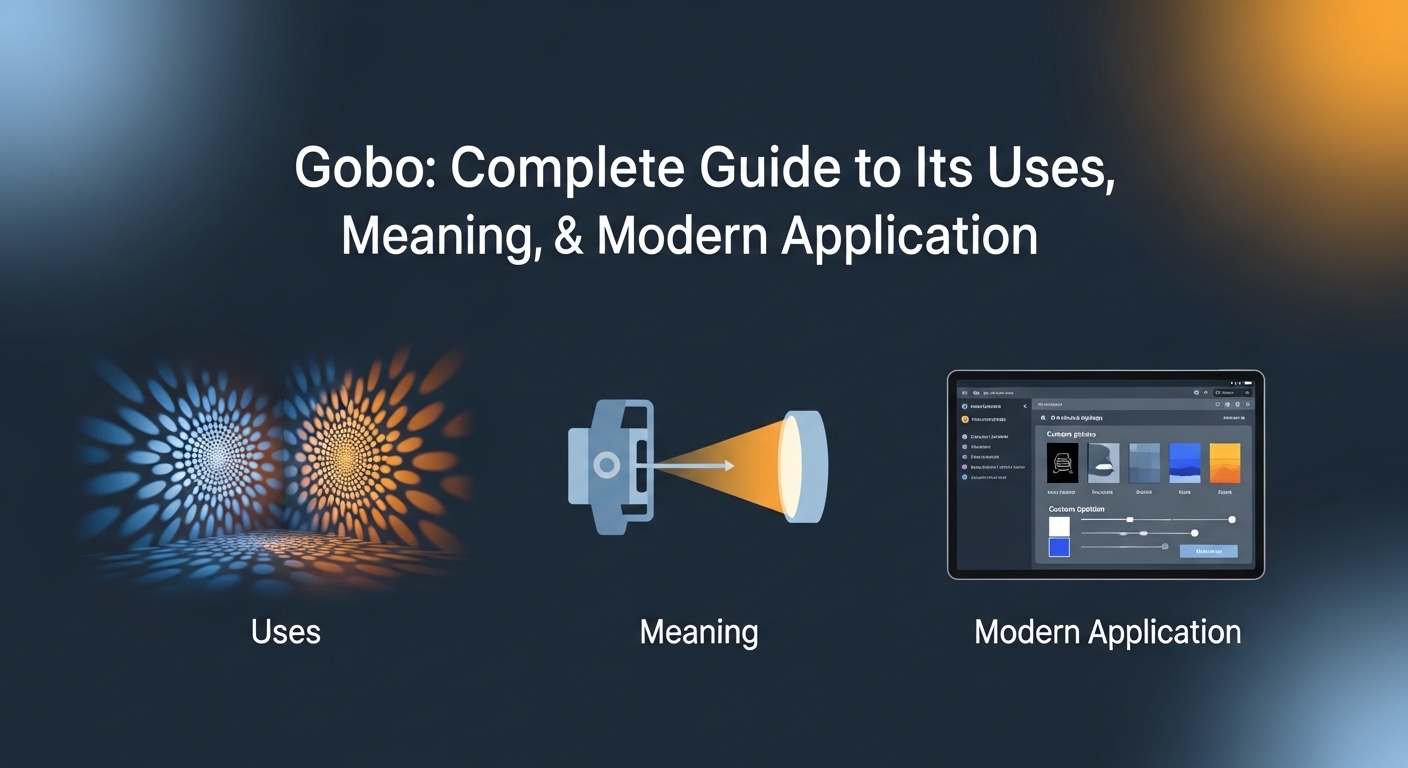
In today’s evolving creative and technical landscape, the term gobo has gained attention across multiple industries, especially in lighting, photography, and design. While it may sound unfamiliar to some, gobo plays a crucial role in shaping visual experiences and enhancing artistic expression. From stage productions to architectural lighting, this concept has become a valuable tool for professionals seeking precision and creativity. Understanding gobo helps individuals appreciate how light can be controlled and transformed into meaningful patterns, making it an essential element in both artistic and practical applications.
What Is a Gobo and Why It Matters
A gobo is a physical or digital template placed inside or in front of a light source to shape the emitted light into specific patterns or images. It is commonly used in stage lighting, photography, and event production to create visual effects. The importance of a gobo lies in its ability to control light creatively without altering the source itself. By using a gobo, designers can project textures, logos, or patterns onto surfaces, enhancing the overall visual appeal. This simple yet effective tool has become a cornerstone in lighting design, offering flexibility and precision.
The History and Evolution of Gobo Technology
The concept of gobo originated in the theater industry, where lighting designers needed a way to control and manipulate light more effectively. Early gobos were made from metal sheets with cut-out patterns, allowing light to pass through and create designs on stage. Over time, advancements in technology led to the development of glass gobos, which offer greater detail and durability. Today, digital gobos are also available, enabling more complex and dynamic projections. This evolution reflects the growing demand for innovative lighting solutions in modern creative industries.
Different Types of Gobo Used Today
There are several types of gobo available, each designed for specific purposes and applications. Metal gobos are known for their durability and are often used for simple patterns or textures. Glass gobos, on the other hand, provide higher detail and are suitable for intricate designs, including logos and images. Digital gobos have introduced a new level of flexibility, allowing users to project moving visuals and animations. Each type of gobo serves a unique function, making it easier for designers to choose the right option based on their project requirements.
How Gobo Enhances Lighting Design
Lighting design is an essential aspect of visual storytelling, and gobo plays a significant role in enhancing its effectiveness. By shaping light into patterns and textures, a gobo adds depth and dimension to any space. It allows designers to create mood, highlight specific areas, and guide audience attention. Whether used in theater, concerts, or corporate events, gobo helps transform ordinary lighting into a powerful visual tool. Its ability to produce consistent and repeatable effects makes it a reliable choice for professionals seeking creative control.
Applications of Gobo in Events and Entertainment
The use of gobo in events and entertainment has become increasingly popular due to its versatility and impact. Event planners use gobos to project logos, themes, or decorative patterns onto walls, floors, and ceilings. In concerts and theater productions, gobos help create immersive environments that enhance the audience experience. They are also widely used in weddings and corporate events to add a personalized touch. By incorporating gobo into event design, organizers can achieve a professional and visually appealing setup that leaves a lasting impression.
The Role of Gobo in Photography and Film
In photography and film, lighting is a critical element that influences the final output, and gobo provides a creative way to control it. Photographers use gobos to create shadows, patterns, and textures that add depth and interest to their images. In filmmaking, gobos are used to simulate natural lighting effects, such as sunlight filtering through trees or window blinds. This technique enhances realism and visual storytelling. By using gobo, professionals can achieve unique lighting effects that would otherwise be difficult to create, making it an essential tool in visual media.
Advantages of Using Gobo in Creative Projects
One of the main advantages of using gobo is its ability to transform simple lighting into complex visual effects. It offers cost-effective solutions for creating detailed designs without the need for expensive equipment. Gobos are also reusable and customizable, allowing designers to experiment with different patterns and ideas. Additionally, they provide precise control over light distribution, ensuring consistent results. These benefits make gobo an attractive option for both beginners and experienced professionals looking to enhance their creative projects with minimal effort.
Challenges and Limitations of Gobo Usage
Despite its many benefits, using gobo comes with certain challenges and limitations. One of the main issues is the need for proper alignment and positioning to achieve the desired effect. Incorrect placement can result in distorted or unclear projections. Additionally, high-quality gobos, especially glass ones, can be expensive. Maintenance and handling also require care to prevent damage. Furthermore, not all lighting fixtures are compatible with every type of gobo. Understanding these limitations is important for maximizing the effectiveness of gobo in various applications.
Future Trends and Innovations in Gobo Technology
The future of gobo technology is closely linked to advancements in digital and smart lighting systems. As technology continues to evolve, gobos are becoming more sophisticated, with features such as programmable designs and dynamic projections. Integration with automation and control systems allows for greater flexibility and creativity. These innovations are expanding the possibilities of gobo usage in industries such as entertainment, architecture, and advertising. As demand for immersive and interactive experiences grows, gobo is expected to remain a key component in modern lighting design.
Conclusion
Gobo is a powerful and versatile tool that has transformed the way light is used in creative and professional settings. Its ability to shape and control light makes it an essential element in industries such as entertainment, photography, and event design. From its origins in theater to its modern applications, gob continues to evolve and adapt to changing needs. By understanding its features, benefits, and limitations, individuals can fully utilize its potential and create visually stunning experiences that captivate audiences.